280 Machines, 8 Maintenance Pros: My Conversation with Trevor Kennedy
On Maintenance & Manufacturing Insights, Trevor Kennedy — Plant Manager for Parker Hannifin's HELAC hydraulic actuator operation — shares how a team of eight keeps 280+ assets running: moving toward predictive maintenance, staging critical spare parts and spindles, and treating maintenance as problem-solving, not just repair.
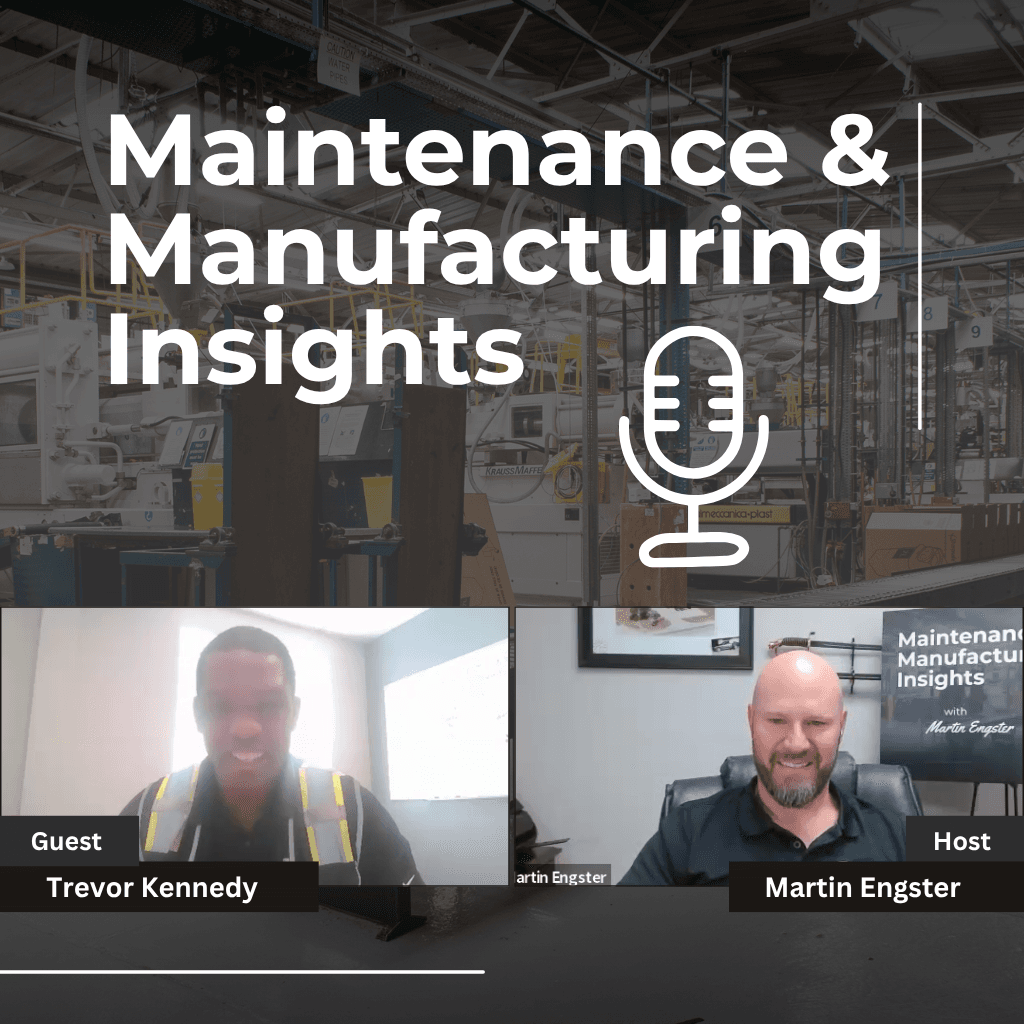
Keeping a manufacturing plant running takes more than knowing how to fix a machine. It takes planning, leadership, quick decisions, and a team that knows how to solve problems when production is on the line. On this episode of Maintenance & Manufacturing Insights, I sat down with Trevor Kennedy, Plant Manager for Parker Hannifin's HELAC hydraulic actuator operation, to talk about what that looks like in the real world.
Moving Toward Predictive Maintenance
One of the things that stood out was the scale of the operation Trevor's team supports — more than 280 assets across the facility, much of it CNC lathes, mills, and other manufacturing machinery.
Trevor explained how his team is moving toward a more predictive approach. They perform regular preventive maintenance, but they're also learning from past equipment failures and adding their own inspection points. The goal is simple: find potential problems before they become major problems.
Preparing for Downtime Before It Happens
Every maintenance professional knows that even with a good program, equipment is still going to fail. Trevor shared how his team prepares for that reality.
For common failures, they maintain an inventory of critical parts — and in some cases they keep replacement components like spindles ready to go. That can make a huge difference when a critical machine goes down: instead of simply reacting to the failure, the team has options to get production moving again faster. His technicians also handle a lot of the initial troubleshooting and diagnosis themselves before deciding whether they need support from an OEM or an outside repair company.
The People Behind the Machines
Another big part of our conversation was manpower. Trevor's operation supports 280+ assets with a team of seven — eight including the manager. When three or four pieces of critical equipment need attention at the same time, having enough skilled people available becomes a serious challenge.
That's where teamwork and experience matter. Trevor described how his team gets together when facing an unfamiliar problem, discusses possible causes, and works through solutions — and sometimes the ideas they come up with surprise even him.
Maintenance Is Bigger Than Fixing Machines
Something I really enjoyed discussing was how much happens behind the scenes in maintenance and plant leadership. There's troubleshooting and repair, of course — but also vendor sourcing, contracts, invoice reviews, budgeting, logistics, outsourcing decisions, and operations strategy. And when a critical machine is down, you don't always have weeks to make those calls.
That's why the best maintenance professionals aren't simply people who fix equipment. They're problem-solvers who play an important role in keeping the entire manufacturing operation moving. Trevor welcomes connections with people interested in manufacturing, operations, and operations strategy — you can find him on LinkedIn.
Watch & Listen
If you haven't listened yet, I encourage you to check out my conversation with Trevor Kennedy: