Building Reliable Maintenance Systems: My Conversation with Gabe Little
On Maintenance & Manufacturing Insights, Gabe Little — a maintenance leader whose career spans Jacobson Logistics, Amazon, ThredUP, and Ross Stores — shares how reliability goes beyond preventive maintenance: asset lifecycle management, CMMS documentation, spare-parts strategy, and the growing role of AI in maintenance analytics.
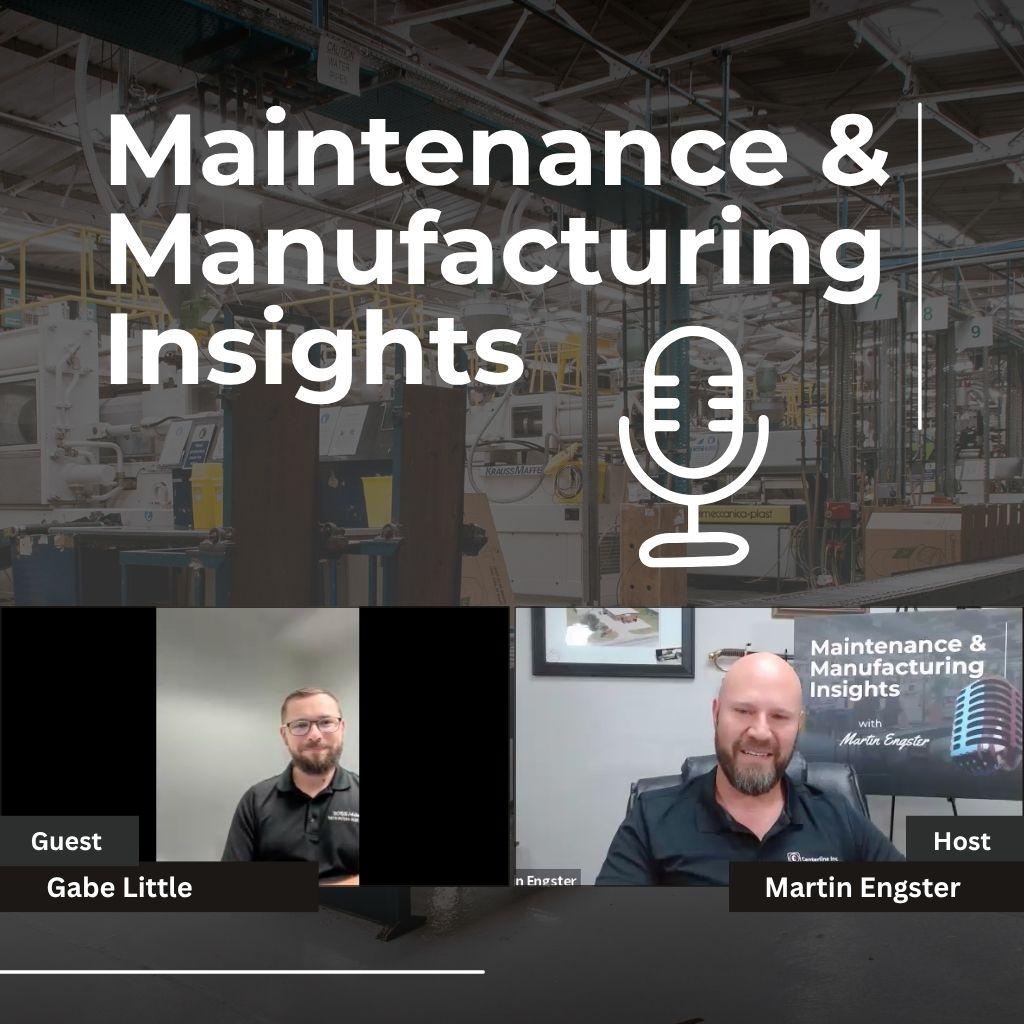
Every maintenance professional knows that fixing equipment is only part of the job. Building reliable systems that prevent failures before they happen is where the real value lies. In a recent episode of Maintenance & Manufacturing Insights, I sat down with Gabe Little, a maintenance leader whose career has taken him from HVAC technician to leadership roles at Jacobson Logistics, Amazon, ThredUP, and Ross Stores. Gabe shared practical insights from years of leading maintenance teams, improving reliability, and preparing facilities for the future of automation.
Reliability Is More Than Preventive Maintenance
One of the biggest takeaways from our conversation was that reliability goes far beyond simply completing preventive maintenance tasks.
Gabe explained how today's maintenance organizations must think about the entire lifecycle of their equipment. As he transitions into an Equipment Engineering role, his focus is shifting toward asset management, vendor partnerships, and ensuring equipment is selected and supported correctly from the very beginning.
Learning from Failure
One of the most memorable stories Gabe shared involved a catastrophic equipment failure during his time at ThredUP.
A major carousel storage system experienced a mechanical failure that required rebuilding the system from the ground up. While the situation was challenging, Gabe explained how the experience ultimately led to improvements in drive technology, equipment monitoring, and long-term reliability practices that he still applies today. It's a great reminder that some of the best engineering lessons come from solving difficult problems.
Why Documentation Matters
We also talked about the importance of documentation and organization.
Gabe discussed how a well-managed CMMS helps maintenance teams keep preventive maintenance schedules, equipment manuals, work orders, and spare parts organized. He also shared how improving parts databases across multiple facilities has become a major initiative to help technicians work more efficiently. Good documentation saves time, reduces frustration, and helps maintenance teams stay focused on keeping operations running.
Looking Toward the Future
Artificial intelligence continues to make its way into manufacturing, and Gabe shared how he's beginning to use AI to analyze maintenance data and build dashboards that help identify equipment trends and prioritize improvement efforts.
While technology continues to evolve, Gabe believes experience, practical knowledge, and strong maintenance fundamentals will always remain at the center of successful maintenance organizations.
If you'd like to connect with Gabe Little, you can find him on LinkedIn.
Watch & Listen
If you haven't listened yet, I encourage you to check out my conversation with Gabe Little: