The Power of Planning Ahead: My Conversation with Richard Horn
On Maintenance & Manufacturing Insights, I talk with Richard Horn, a production supervisor at Ford Motor Company, about keeping high-volume automotive lines running — how producing 1,200 extra parts one day bought his team a day and a half when a stamping die broke, why cleanliness speeds up troubleshooting, and the growing shortage of skilled tradespeople.
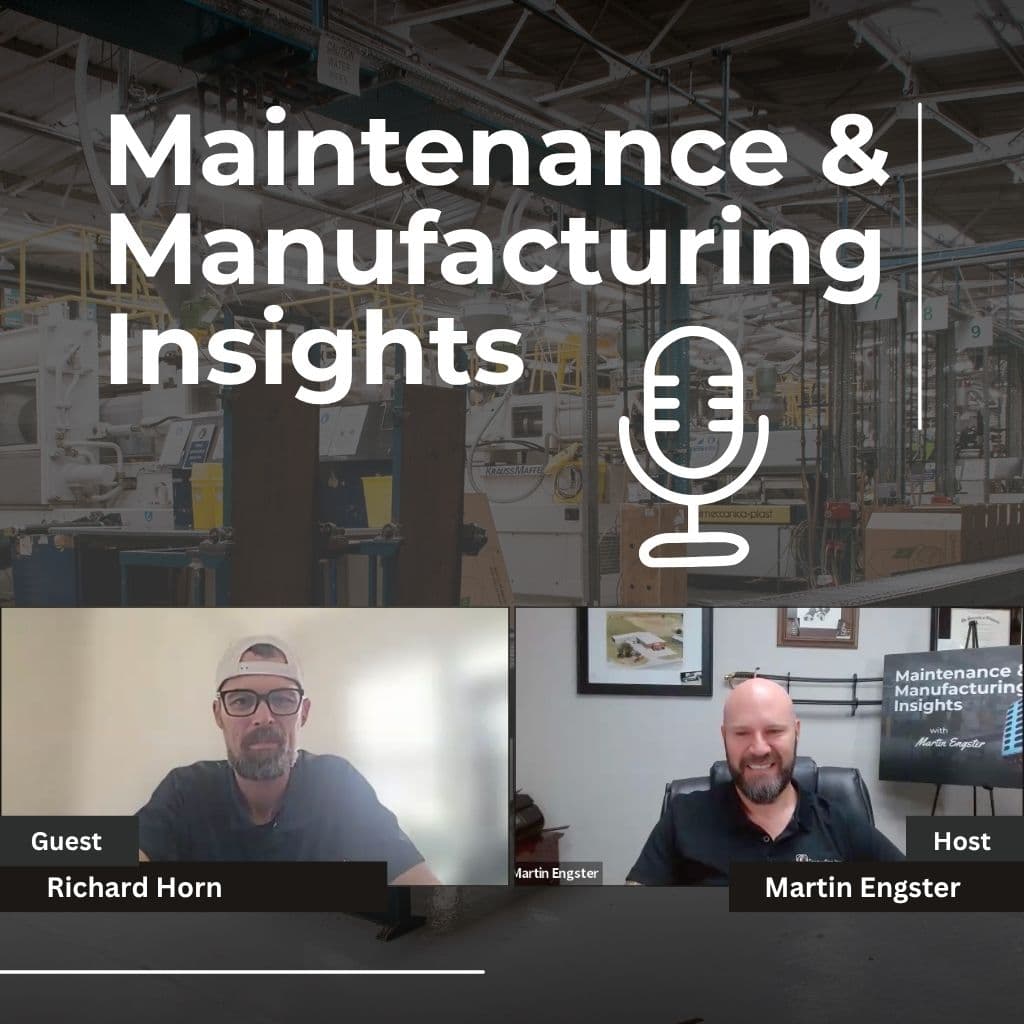
What does it take to keep thousands of parts moving every day? On this episode of Maintenance & Manufacturing Insights, I sat down with Richard Horn, a production supervisor at Ford Motor Company's Kansas City Assembly Plant. Richard oversees two stamping press lines that produce parts for the Ford Transit and the F-150 — sometimes more than 12,000 parts in a single shift. Keeping that equipment running and the line on schedule is no small job.
When 1,200 Extra Parts Saved the Day
The story that stuck with me was about an unexpected stamping die failure. After a supply issue forced the plant to source aluminum from a different supplier, the new material behaved differently on the line and eventually caused a die to break.
Here's where planning paid off. The day before, Richard had noticed some extra storage racks open and decided to run roughly 1,200 additional parts. That extra inventory gave his team about a day and a half to repair the damaged die — without shutting down everything downstream. It's a simple idea, but it's a great example of how thinking a day ahead can turn a shutdown into a manageable setback.
Preventive Maintenance Is More Than Fixing Machines
Richard and I also talked about preventive maintenance — inspections, lubrication, checking parts for wear, and keeping the equipment clean. The point about cleanliness stood out to me. A clean machine and a clean work area make it far easier to spot a problem early and troubleshoot it fast. When every minute of downtime counts, that's time you get back.
The Growing Need for Skilled Workers
We spent time on something every shop I know is feeling: the shortage of experienced tradespeople. Richard described how retirements in the tool and die trade have left the remaining experts responsible for training the next generation of apprentices. He spent ten years in the railroad industry before moving into automotive manufacturing, so he knows the value of hands-on learning. His advice to younger workers is simple — never limit yourself to only what your current job requires. Don't put your blinders on.
Watch & Listen
Hear my full conversation with Richard Horn: