
Spindle Runout: Causes, Effects, and How to Fix It
What causes spindle runout, how it wrecks tool life and surface finish, and how precision repair, bearing replacement, and taper grinding restore accuracy back to OEM specification.
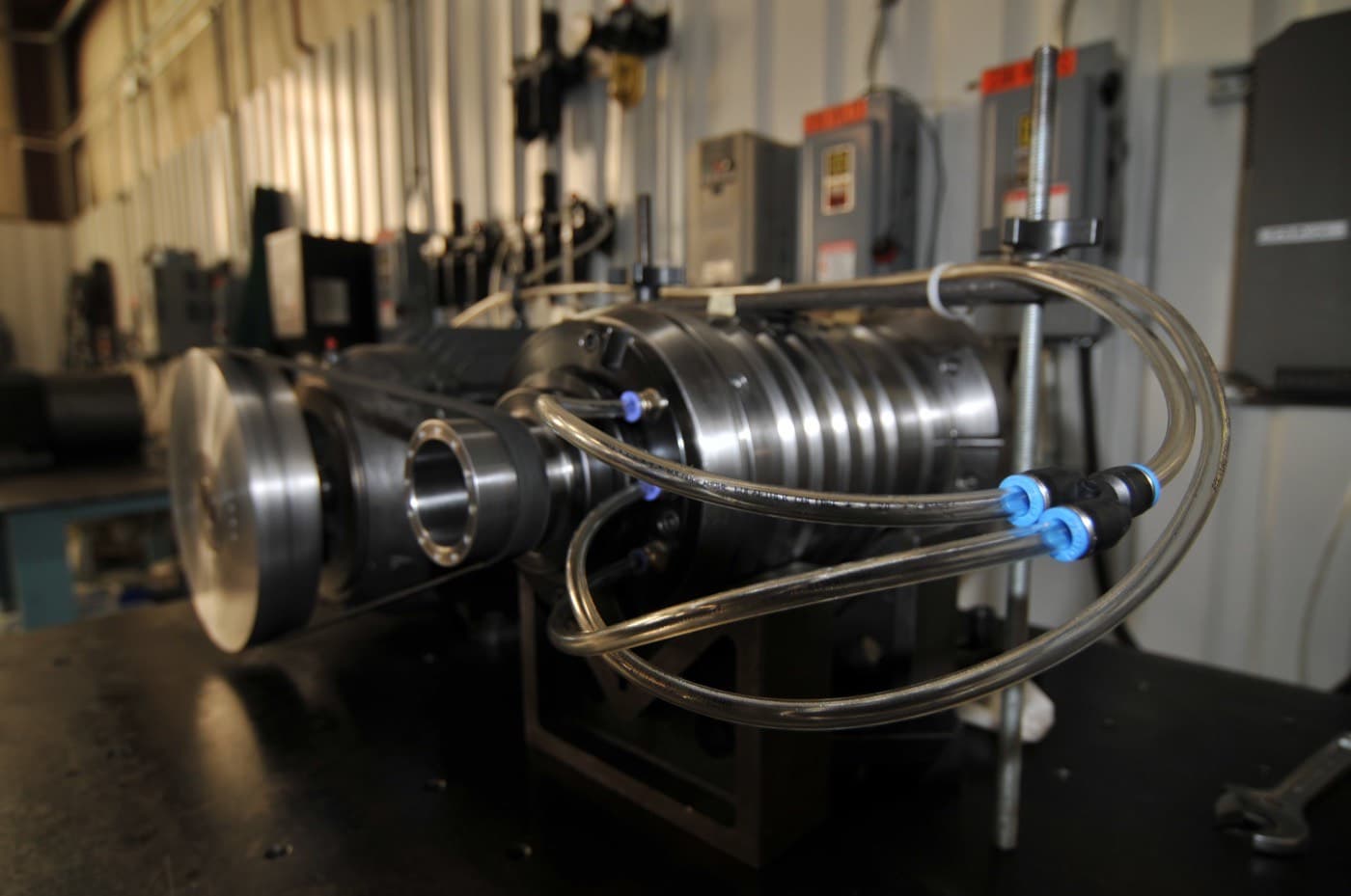
Runout is one of the most common — and most costly — spindle problems. It quietly shortens tool life, degrades surface finish, and pushes parts out of tolerance long before the spindle actually fails. Here's what causes it and how it's corrected.
What is spindle runout?
Runout is the deviation of the spindle (or the tool it holds) from true rotation about its axis. It's usually measured with a precision indicator and expressed in ten-thousandths of an inch (or microns). Two types matter: radial runout (side-to-side wobble) and axial runout (in-and-out movement). Excessive runout at the tool tip is what shows up in your parts.
What causes it
- Worn or damaged bearings — the most common cause; play in the bearings lets the shaft deflect
- A damaged or worn taper — nicks, fretting, or wear in the spindle taper prevent toolholders from seating true
- A bent or damaged shaft — from a crash or heavy impact
- Contamination — debris or coolant in the taper or bearings
- Worn or low-quality toolholders — sometimes the runout is in the holder, not the spindle
Why it matters
Even a few ten-thousandths of runout multiplies at the tool tip. The result is chatter, poor surface finish, uneven tool wear, broken tools, and scrapped parts. In aerospace and medical work, it's the difference between in-spec and rejected.
How to diagnose it
Mount a precision indicator against the spindle taper and against a known-good test bar, and rotate the spindle by hand. Compare readings at the spindle nose and at distance from the nose to separate taper error from bearing play. If the holder is suspect, check it independently.
How it's fixed
Restoring runout depends on the root cause:
- Bearing replacement and rebuilding to remove play and restore true rotation
- On-site taper grinding to recover a worn or damaged taper without shipping the whole machine
- Dynamic balancing so the spindle runs true at operating speed
- Verification testing against OEM specification
Centerline rebuilds spindles back to factory tolerance and confirms the result by testing. If your parts are drifting out of spec or finish is degrading, send us your spindle details for an assessment.


